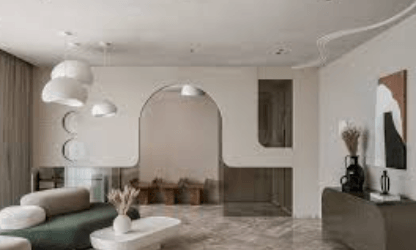
In an era dominated by hyper-digital spaces, ultra-polished surfaces, and mass-produced synthetic decor, our homes are facing a quiet revolution. Discerning homeowners and high-end interior designers are actively moving away from cold, sterile perfectionism. Instead, the design world in 2026 has fully embraced a centuries-old philosophy that finds beauty in the raw, the weathered, and the beautifully incomplete: Wabi-Sabi. Originating from ancient Japanese Zen traditions, this aesthetic honors the natural cycle of growth, decay, and graceful aging.
When translated into contemporary wall art, Wabi-Sabi manifests as rich textures, muted earth pigments, organic asymmetry, and minimalist compositions. It is not just art; it is a visual invitation to slow down, breathe, and appreciate simplicity.
In this curated editorial, we break down the definitive curation of the year, exploring how to implement Zen-inspired minimalism across your interiors, and how to balance these raw wall pieces with high-end structural art investments.
Understanding the Core Philosophy of Wabi-Sabi Art
To truly appreciate Zen-inspired design, one must understand what the words actually represent. Wabi refers to the refined elegance found in solitude, simplicity, and nature. Sabi refers to the beauty that comes with age, wear, and the visible passage of time.
When these two concepts merge onto a canvas, they create a deeply intentional visual style characterized by:
- Asymmetry and Irregularity: Breaking away from rigid geometric lines in favor of free-flowing, organic shapes that mirror nature.
- Rough, Earthy Textures: Built-up layers of plaster, sand, unrefined gesso, and thick impasto strokes that invite tactile interaction.
- A Muddy, Organic Palette: Dominated by stone grays, soft clays, washed-out beiges, muted charcoals, and off-whites.
Integrating pieces from the highly sought-after Top Wabi-Sabi Artworks 2026 – Japanese Minimalist Art collection allows you to inject an immediate sense of peaceful mindfulness and architectural depth into your living environment.
Styling Zen-Inspired Minimalism Across Modern Rooms
Because Wabi-Sabi art is inherently understated, it possesses an incredible ability to ground a space without ever competing for attention. Here is how top interior curators are styling these textured canvases this year:
1. The Living Room: The Textured Anchor
The living room should serve as a sanctuary of comfort. A large-scale Japanese minimalist canvas provides an exceptional focal point without cluttering the visual field.
- Curator Tip: Position a massive, raw-edged canvas featuring muted linen undertones directly over a low-profile cream bouclé sofa. Pair the arrangement with raw travertine stone coffee tables and weathered oak accents to amplify the organic narrative.
2. The Master Bedroom: Promoting Sleep Hygiene
Bright colors and loud abstract patterns stimulate brain activity, which is counterproductive in a rest environment. Wabi-Sabi art acts as a visual sedative.
- Curator Tip: Hang a triptych or diptych of minimalist ink-wash or subtle plaster-relief art above the headboard. The soft shadows cast by the painting’s textures under warm lighting will instantly lower stress levels before sleep.
3. The Minimalist Dining Hall: Intimate Simplicity
A dining room adorned with Zen-inspired artwork fosters a slower, more deliberate dining experience, shifting the focus to meaningful conversation.
- Curator Tip: Choose artworks that feature subtle cracks, visible canvas grains, or faded earth tones. Frame them in raw, unvarnished wooden floating frames to create a beautiful dialogue with your dining table.
The Design Matrix: Comparing Minimalist Sub-Genres
While all minimalist art shares the philosophy of “less is more,” different cultural executions bring distinct energies to a room. Understanding these subtle differences can help you refine your interior curation:
| Design Movement | Core Visual Elements | Primary Material Association | Spatial Energy |
| Wabi-Sabi Minimal | Thick textures, cracks, asymmetrical strokes, raw earth tones. | Plaster, stone, rough linen, unpolished wood. | Grounding, meditative, deeply organic, soothing. |
| Scandinavian Minimal | Crisp clean lines, light woods, functional geometry, cool grays. | Light oak, functional steel, smooth matte prints. | Bright, airy, highly organized, utilitarian. |
| Industrial Minimal | Sharp angles, high contrast, exposed elements, cold monochromatic blocks. | Raw concrete, black steel, copper, polished glass. | Urban, bold, energetic, structurally aggressive. |
Balancing the Void: Layering Canvases with Fine Sculptures
A common pitfall when designing a minimalist home is running into “visual flatness.” If your walls feature muted colors and your furniture follows a clean line, the room can accidentally begin to look unfinished rather than intentionally minimalist. The secret to mastering luxury minimalism lies in layering distinct artistic dimensions.
Once you have anchored your vertical wall plane with a stunning, heavily textured Japanese minimalist canvas, the next step is introducing three-dimensional physical art. The organic, imperfect lines of a Wabi-Sabi painting create a masterful visual contrast when paired with heavy, structural physical mediums like cast bronze, dark wrought iron, or hand-carved stone figures. Placing a dark metallic sculpture on a low console table or a concrete pedestal directly beneath a minimalist painting creates a striking interplay of light and shadow.
Furthermore, serious art collectors understand that home curation is not merely a styling exercise—it is a sophisticated approach to alternative wealth management. Premium fine art pieces, particularly original paintings and limited-edition structural works, serve as incredible physical assets that consistently hedge against inflation and appreciate over time.
To deep dive into how physical, three-dimensional art investments function in the modern economy and how to strategically select pieces that retain value for your portfolio, explore this detailed Bronze Sculptures for Modern Art Investment Review to analyze valuation trends, market liquidity, and collection frameworks governing high-end fine art assets.
Installation Guide: Presenting Wabi-Sabi Art Correctly
To ensure your Japanese minimalist art maintains its authentic, high-end gallery feel, keep these professional installation guidelines in mind:
- Ditch the Traditional Glass: Never place a highly textured, plaster-based Wabi-Sabi artwork behind glass. Glass creates harsh reflections that flatten the piece, completely hiding the shadows and physical depths of the textures.
- Utilize Low-Angle Directional Lighting: Install warm overhead track lighting or adjustable art spots (between 2700K and 3000K). Position the lights so they hit the painting at a slight angle; this accentuates every ridge, crack, and brushstroke, letting the art change character beautifully throughout the day as natural light shifts.
- Embrace Floating Frames: If you choose to frame the piece, opt for a “canvas floater frame” made from raw walnut, light oak, or charcoal-stained wood. The subtle shadow gap between the canvas and the frame perfectly honors the Wabi-Sabi ethos of giving art breathing room.
Conclusion: Embrace the Luxury of Quiet Spaces
Decorating with the Top 5 Wabi-Sabi Artworks in 2026: Japanese Minimalist and Zen-Inspired Design is far more than a fleeting aesthetic trend. It is a profound lifestyle declaration. It marks a departure from chaotic consumerism and transitions your living environment into a deeply personal sanctuary centered around peace, authenticity, and natural beauty.
By curating your home with beautifully imperfect canvases, prioritizing rich tactile textures, and balancing your walls with timeless structural art investments, you elevate your home from a standard living space into a museum-grade gallery of calm. Explore Zen-inspired collections today, find the artwork that speaks to your soul, and give your walls a quiet, powerful, and deeply grounded voice.