Pancreatitis represents one of the most painful conditions affecting dogs, yet remains frequently misdiagnosed due to nonspecific symptoms that mimic other gastrointestinal diseases. When acute pancreatitis strikes, it demands prompt, aggressive treatment to prevent life-threatening complications and relieve the severe suffering characteristic of this inflammatory emergency. Modern veterinary medicine now offers targeted injectable treatments that provide rapid inflammation control and superior recovery outcomes compared to traditional supportive care approaches alone.
Understanding pancreatitis—what causes it, how it progresses, and what treatment options exist—empowers dog owners to recognize symptoms early and pursue aggressive intervention when needed. A Fuzapladib Sodium Injectable – Acute Pancreatitis Management represents a significant advancement in treating this painful inflammatory condition, offering targeted suppression of the inflammation cascade that drives pancreatitis progression and severity.
Understanding Canine Pancreatitis Fundamentals
The pancreas serves dual critical functions in the body. As an endocrine organ, it produces insulin regulating blood glucose. As an exocrine organ, it produces digestive enzymes enabling nutrient absorption. Pancreatitis—inflammation of the pancreas—disrupts both functions simultaneously, creating severe systemic consequences.
Distinguishing Acute from Chronic Pancreatitis
Acute pancreatitis develops suddenly with severe clinical signs appearing over hours. The inflammation appears rapidly, causing intense pain, vomiting, and systemic illness. Acute pancreatitis represents a genuine medical emergency requiring immediate veterinary intervention.
Chronic pancreatitis develops gradually over weeks or months with less obvious symptoms. Recurrent episodes of acute pancreatitis often progress to chronic disease. Both forms are serious, but acute pancreatitis demands emergency intervention due to rapid onset and severe pain.
See also: Find Your Perfect AI Companion: Conversational AI That Actually Listens
Risk Factors and Pancreatitis Triggers
Understanding what causes pancreatitis helps prevent recurrence in susceptible dogs.
Dietary Factors
High-fat meals represent the most common pancreatitis trigger, particularly in genetically predisposed dogs. Rich, fatty treats, table scraps, and high-fat commercial foods can precipitate acute attacks in susceptible individuals. Some dogs appear predisposed to diet-induced pancreatitis, developing inflammation whenever dietary fat exceeds their tolerance threshold.
Breed and Genetic Predisposition
Miniature Schnauzers, Dachshunds, Cocker Spaniels, and other small breeds show increased pancreatitis predisposition. Genetic factors or breed-associated metabolic characteristics likely explain increased susceptibility, though research continues exploring specific mechanisms.
Obesity and Metabolic Factors
Overweight dogs demonstrate significantly higher pancreatitis risk. Weight management becomes particularly important for at-risk breeds, as obesity compounds metabolic stress on the pancreas.
Medication Side Effects
Certain medications increase pancreatitis risk, including specific antibiotics, diuretics, and corticosteroids. Veterinarians carefully consider pancreatitis risk when prescribing these medications to susceptible individuals.
Trauma and Surgical Complications
Severe abdominal trauma can trigger pancreatitis. Surgical procedures involving the pancreatic region sometimes precipitate inflammatory episodes.
Underlying Medical Conditions
Hypercalcemia (elevated blood calcium), hyperlipidemia (elevated blood lipids), diabetes, and other metabolic disorders increase pancreatitis risk.
Clinical Signs and Early Recognition
Recognizing acute pancreatitis symptoms enables prompt intervention, significantly improving outcomes.
Abdominal Pain Manifestations
Dogs with acute pancreatitis appear uncomfortable, often adopting the classic “prayer position” with front legs extended downward and rear elevated. They may whimper, show reluctance to jump or climb stairs, and appear guarded when touched on the abdomen. Severe pain may cause dogs to remain motionless, barely moving even for food. Some dogs will not lie down, instead standing in a tense, hunched position indicating severe abdominal distress.
Digestive System Symptoms
Vomiting is nearly universal in acute pancreatitis, often projecting forcefully and potentially indicating severe inflammation. Diarrhea may occur. Loss of appetite is virtually universal—even dogs normally enthusiastic about food refuse to eat during acute pancreatitis episodes.
Systemic Signs
Lethargy predominates as the body focuses all energy on fighting inflammation. Fever commonly develops. Dehydration frequently accompanies vomiting and reduced fluid intake.
Shock-Like Presentation
Severe cases present with shock-like symptoms including pale gums, weak pulses, and profound lethargy indicating life-threatening inflammation requiring immediate intensive care.
Diagnostic Confirmation
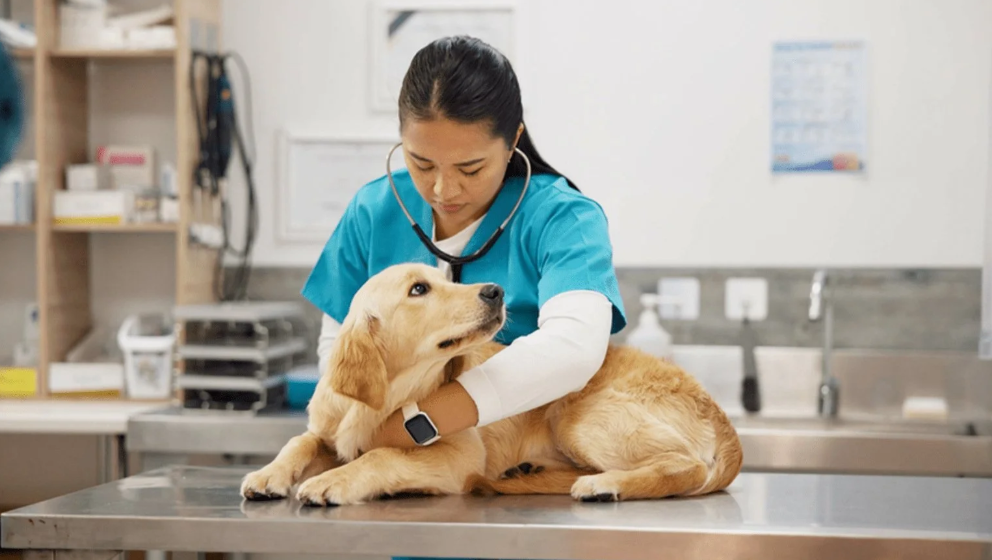
Definitive pancreatitis diagnosis requires professional veterinary assessment combining clinical signs, laboratory findings, and imaging.
Laboratory Testing
Elevated pancreatic enzymes (amylase and lipase) support diagnosis, though results can be inconclusive as these enzymes aren’t completely specific to pancreatic disease. Newer tests including pancreatic lipase immunoreactivity (PLI) and feline pancreatic lipase (fPL) provide more specific diagnosis.
Ultrasound Imaging
Abdominal ultrasound allows direct visualization of pancreatic swelling and inflammation, providing valuable diagnostic confirmation. Ultrasound also identifies complications like fluid accumulation.
Clinical History and Presentation
Recent high-fat diet history, breed predisposition, characteristic clinical signs, and compatible laboratory findings collectively support diagnosis even when individual findings are borderline.
Traditional Pancreatitis Treatment Limitations
Historical pancreatitis management relied primarily on supportive care including fluid replacement and pain management. While supportive care addresses symptoms, it doesn’t actively suppress the inflammation driving disease progression.
Fasting Approaches
Traditional approaches recommended complete fasting, theorizing that “resting” the pancreas would allow recovery. However, research now questions whether fasting truly benefits pancreatitis patients, and prolonged fasting itself can cause complications.
Supportive Care Alone
Pain management and fluid support remain essential but incomplete. Without active anti-inflammatory intervention, the inflammatory cascade continues damaging pancreatic tissue and worsening systemic effects.
Advanced Injectable Treatment Approach
Modern pancreatitis treatment emphasizes active inflammation suppression alongside supportive care.
Rationale for Injectable Medications
Vomiting and anorexia mean oral medications are often impossible to administer. Injectable medications bypass these barriers, ensuring medication delivery when oral administration is impossible. Injectable medications also reach therapeutic levels immediately, providing faster inflammation control than oral medications requiring absorption and distribution time.
Multi-Modal Treatment Strategy
Optimal pancreatitis management combines:
- Fluid therapy – Restoring hydration and supporting organ perfusion
- Pain management – Addressing severe discomfort through appropriate analgesics
- Anti-inflammatory medications – Actively reducing pancreatic inflammation
- Antiemetics – Controlling nausea and vomiting
- Nutritional support – Early feeding with appropriate diet when tolerated
Fuzapladib Sodium: Targeted Pancreatic Inflammation Control
Fuzapladib sodium represents a sophisticated advancement in pancreatitis pharmacology.
Mechanism of Action
Fuzapladib sodium is a phospholipase A2 inhibitor specifically designed for acute pancreatitis management. Phospholipase A2 is a key enzyme in the inflammatory cascade driving pancreatic damage. By inhibiting this enzyme, fuzapladib sodium interrupts the inflammatory cascade at a critical point.
Specific Pancreatic Benefits
This medication:
- Reduces pancreatic inflammation by inhibiting damaging enzyme cascades
- Stabilizes cellular membranes preventing continued inflammatory damage
- Reduces systemic inflammation from pancreatic injury
- Improves pain control and overall comfort
- Supports faster recovery compared to supportive care alone
Clinical Advantages Over Traditional Approaches
Dogs receiving fuzapladib sodium show marked improvement in appetite, reduced pain-related behaviors, and increased activity within 24-48 hours of treatment initiation—improvements not achieved with supportive care alone.
Recovery Monitoring and Assessment
Clinical Response Indicators
Improvement in appetite, reduced pain-related behaviors, increased voluntary movement, and improved demeanor indicate successful treatment. Dogs should show marked improvement within 24-48 hours of starting appropriate therapy.
Laboratory Reassessment
Repeat pancreatic enzymes and general bloodwork assess treatment response and guide further management adjustments. Enzyme levels gradually normalize with successful treatment.
Imaging Follow-up
Repeat ultrasound may confirm pancreatic swelling resolution, though clinical improvement typically precedes imaging normalization.
Prevention of Recurrence
Once acute pancreatitis resolves, preventing recurrence becomes critical, as recurrent episodes compound pancreatic damage.
Strict Low-Fat Diet
Dietary management is paramount. Dogs with pancreatitis history must follow strict low-fat diets. These dogs should never receive table foods—even healthy-appearing options often contain excessive fat. Carefully selected low-fat treats replace typical snacks.
Weight Management
Maintaining optimal body weight reduces metabolic stress on the pancreas and overall inflammatory burden.
Medication Avoidance
When medications increase pancreatitis risk, alternatives should be explored whenever possible.
Regular Monitoring
Dogs with pancreatitis history benefit from periodic veterinary assessment and potentially routine bloodwork monitoring pancreatic enzyme levels.
Long-Term Prognosis
Most dogs surviving acute pancreatitis live normal lifespans with appropriate dietary management and preventive care. Some dogs never experience another episode. Others have multiple episodes, though frequency and severity vary considerably.
Strict adherence to low-fat diet, maintenance of healthy weight, and rapid recognition and treatment of recurrent episodes significantly improve long-term outcomes.
When to Seek Emergency Care
Any dog showing severe abdominal pain, persistent vomiting, lethargy, or multiple pancreatitis risk factors should receive immediate veterinary evaluation. Pancreatitis demands urgent care—waiting risks serious complications.
Emotional and Financial Considerations
Pancreatitis diagnosis and treatment can be emotionally and financially challenging. Understanding treatment options, participating in recovery planning, and implementing prevention strategies help manage both aspects.
Nutrition During Recovery
Once acute pancreatitis resolves and appetite returns, introducing appropriate nutrition supports healing. Low-fat, highly digestible diets prescribed by veterinarians provide optimal nutrition while minimizing pancreatic stress.
Conclusion and Comprehensive Care
Acute canine pancreatitis is serious, but modern treatment dramatically improves outcomes compared to historical approaches. Injectable medications like fuzapladib sodium that specifically target pancreatic inflammation provide rapid, effective control of this painful condition.
If your dog has experienced pancreatitis, work with your veterinarian to implement prevention strategies, understand dietary requirements, and develop a treatment plan should recurrence occur. For ongoing pet health information and guidance on managing canine health conditions, visit Pet Life and Health Updates for comprehensive resources supporting your dog’s wellness.
Your dedication to understanding and managing your dog’s pancreatitis reflects your commitment to their health and comfort. Modern veterinary medicine provides the tools—injectable anti-inflammatory medications, advanced diagnostics, and evidence-based management—to treat pancreatitis effectively. Work closely with your veterinarian, implement dietary prevention strategies, and ensure prompt treatment should pancreatitis recur. Your dog deserves aggressive, targeted treatment when facing this painful condition.